How do casinos keep players coming back?
The Impact of Atmospherics in Casino Design
The first impression a visitor gets upon entering a casino often sets the tone for their entire experience. Elements such as lighting, sound, and scent play a crucial role in creating an immersive atmosphere. For instance, casinos often utilize soft, ambient lighting to simulate a relaxed environment, encouraging players to stay longer without perceiving the passage of time. This psychological trick can make even a busy gaming floor feel inviting, allowing visitors to forget about their surroundings and focus entirely on their gameplay. Additionally, many players appreciate the option to play at an online casino that accept neosurf because it offers convenience and flexibility. The combination of these sensory elements creates a unique ambiance that is specifically engineered to keep players engaged.
Moreover, sound plays an equally important role in the casino experience. The familiar sounds of slot machines dinging and chips clinking can evoke feelings of excitement and eagerness. By carefully designing these auditory cues, casinos can stimulate emotions that encourage players to engage more deeply with the games. The continuous layering of sound serves to create an illusion of activity and energy, effectively heightening the thrill and making visitors want to remain within the space longer. This strategic use of sound can create a feedback loop, where the excitement generated by the auditory environment enhances the overall experience and encourages even more participation.
Finally, scent is another atmospheric element that casinos often exploit. Research has shown that certain scents, like vanilla or citrus, can create a sense of comfort and pleasure. By strategically introducing these fragrances, casinos can further enhance the overall experience, subconsciously impacting how players feel. This intentional blend of atmospherics keeps players in a state of heightened engagement, often extending their visit and increasing their likelihood of participating in games. The careful orchestration of these sensory experiences is a testament to the psychological sophistication involved in casino design.
The Psychology of Game Layout and Flow
The layout of a casino is not merely a matter of aesthetics; it is a carefully orchestrated design aimed at maximizing player engagement. The placement of games affects how players navigate the space, influencing their decisions and behaviors. For instance, popular slot machines are often situated near high-traffic areas to attract passing visitors. This strategic arrangement encourages spontaneous play, as individuals are drawn to the games due to their visibility and accessibility. By making certain games more prominent, casinos create an environment where players feel compelled to try their luck, effectively increasing the chances of gambling activity.
In addition to visibility, the flow within a casino is meticulously planned. Design elements such as pathways and sightlines are crafted to guide players through the gaming floor. Casinos often employ circular layouts or winding paths, which can encourage players to explore more games, inadvertently leading them to spend additional time and money. This design philosophy exploits the “homo economicus” model, where players, driven by the potential for reward, unwittingly engage more deeply in a space designed for extended interaction. The result is a carefully controlled environment that maximizes engagement while subtly influencing player behavior.
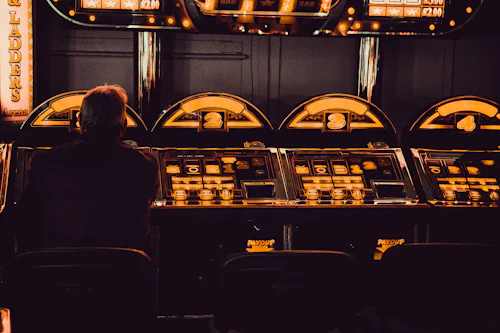
The concept of “loss aversion” is also relevant in casino game design. By placing tables with varying stakes closely together, casinos create an environment that allows players to compare their potential wins and losses directly. This comparative aspect can heighten emotions related to gambling, triggering a desire to recoup losses or capitalize on a winning streak. Consequently, the psychological implications of game layout and flow significantly shape players’ experiences and decisions, underscoring the profound link between design and human behavior in gambling spaces. Each element of the layout serves a distinct purpose, driving engagement and enhancing the overall experience.
The Role of Color and Branding in Attraction
Color schemes in casino design are not arbitrary; they are carefully chosen to evoke specific emotions and reactions from visitors. Warm colors like red and gold are often used to instill a sense of excitement and luxury, while cooler colors like blue can create a calming effect. These color choices can significantly influence a player’s state of mind, impacting their willingness to engage in games. For instance, a vibrant red might encourage impulsive betting, while soothing blues might lead to a more reflective decision-making process. The psychological impact of color is integral to how casinos curate their environments, fostering an atmosphere that aligns with their branding and desired player experience.
Branding also plays a critical role in how casinos draw in and retain customers. The unique identity of a casino is often built around its theme and visual elements. For example, a casino that showcases a luxurious, high-stakes image will attract a different clientele than one designed to evoke a relaxed, fun atmosphere. This branding is propagated through every aspect of the casino, from its logo to its interior decor, ensuring that visitors associate specific feelings and experiences with the casino brand. The coherence of branding across various touchpoints reinforces the emotional connection that players feel towards the casino.
Additionally, the psychological impact of branding extends beyond just visual identity. Customer loyalty programs, themed events, and exclusive offers are designed to create an emotional connection between the casino and its patrons. By establishing a brand that resonates with players, casinos cultivate repeat visits and foster a community around their offerings, effectively intertwining emotional resonance with strategic design principles. This symbiotic relationship between branding and design enhances player loyalty and heightens the overall experience, ensuring that visitors feel valued and engaged.
The Influence of Social Interaction on Gameplay
Social interaction is a pivotal aspect of the casino experience, influencing player behavior significantly. Games like poker and blackjack inherently require interaction between players, making them more appealing in communal settings. The design of casino spaces often fosters this interaction by incorporating tables that encourage dialogue and camaraderie. This social aspect can enhance the gaming experience, as players share their excitement, celebrate wins, or commiserate over losses together, ultimately extending the time they spend in the casino. The communal nature of these games creates a shared experience that deepens engagement and adds layers to the gameplay.
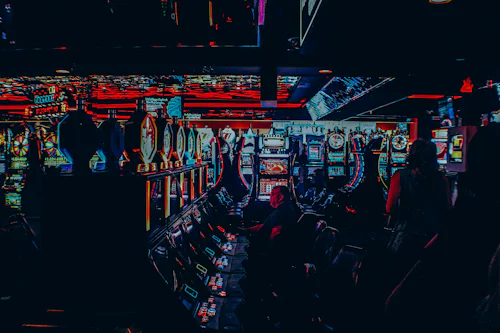
The layout of gaming areas often promotes social gatherings, with larger tables accommodating multiple players and spaces designed for group activities. Such designs not only facilitate interaction but also create a sense of belonging among patrons. This can lead to a form of ‘groupthink,’ where players encourage one another to continue playing, often leading to increased betting and extended visits. The social element intertwined in casino design thus plays a crucial role in sustaining engagement and enhancing overall enjoyment. The very architecture of the casino is built to encourage these interactions, making them a fundamental part of the experience.
Furthermore, casinos frequently offer complementary drinks and snacks to enhance social interactions. This tactic serves the dual purpose of creating a welcoming environment and keeping players at the tables longer. By ensuring players remain hydrated and comfortable, casinos effectively reduce the likelihood of them leaving the gaming area, thereby capitalizing on the social dynamics present. This focus on social interaction starkly illustrates how design strategies directly correlate with player behavior and experience in the gaming environment. Social engagement becomes a key driver in the overall casino experience, enhancing satisfaction and loyalty.
Understanding Casino Design Trends and the Future
As the gambling landscape evolves, so too does casino design, adapting to emerging trends and technologies. One notable trend is the integration of technology into the gaming experience. Modern casinos increasingly incorporate digital elements, such as interactive screens and mobile gaming options, catering to a tech-savvy demographic. These innovations not only enhance engagement but also allow casinos to gather valuable data on player preferences and behaviors, facilitating a more personalized gaming experience. The future of casino design will likely see even greater integration of technology to enhance both the gameplay and the overall visitor experience.
Environmental sustainability is another growing trend impacting casino design. As awareness of climate change rises, many casinos are adopting eco-friendly practices, from energy-efficient lighting to sustainable materials in construction. This shift not only appeals to environmentally conscious consumers but also reflects a broader societal change towards sustainability. As casinos implement these practices, they create an image of responsibility and modernity that resonates with the changing values of the public. The alignment of casino design with sustainable practices is becoming not just an option but a necessity in the current economic climate.
Lastly, the future of casino design likely includes an emphasis on creating multi-dimensional entertainment experiences. Casinos are increasingly becoming hubs for various forms of entertainment, integrating theaters, restaurants, and shopping areas within the gaming space. This holistic approach to design not only diversifies revenue streams but also invites a broader range of customers. The evolving nature of casino design reflects a commitment to understanding consumer needs and adapting to keep pace with the dynamic landscape of recreational spaces. As casinos continue to innovate, they will likely explore new ways to enhance the visitor experience while ensuring their designs remain appealing and functional.